A lawn that feels spongy, drains poorly, or has thin patches needs a closer look before choosing a treatment. Aeration and dethatching serve different purposes. Understanding the difference helps you ask the right questions when arranging lawn care.
Why Your Lawn Needs Attention This Season
Thatch is the layer of living and dead stems, roots, and other plant material between the grass and soil. Dethatching removes excess buildup; it is not the same as collecting leaves or grass clippings. A lawn assessment can help determine whether removal is needed.
Before booking dethatching, ask what the team has observed and how the work will address it. A thin or discolored lawn does not automatically need this treatment.
How Aeration Is Different
While dethatching clears the surface, compaction often runs deeper. That is where aeration comes in. By removing small plugs of soil, we open up channels deep into the ground, encouraging stronger root growth and better drainage.
Aeration and dethatching are not automatically a package. The right choice depends on the soil, thatch layer, grass condition, and timing. Ask whether one service, both, or a different maintenance step is appropriate for your lawn.
Why Choose Professional Care?
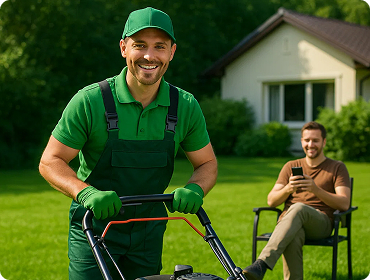
Using the right equipment at the right time is critical in our climate. While some homeowners attempt to tackle these tasks themselves, mechanical power raking or core aeration requires specialized machinery that, if used incorrectly, can damage delicate grass crowns or expose the soil to too much stress.
When you contact us, describe the areas causing concern, recent watering or lawn work, and how the space is used. Photos can help explain the issue, and an assessment can clarify the next step.
Request a quote for lawn care and tell us what you would like to improve. We can discuss the work and care needed afterward.